Real-Life Case Studies on Industrial Dehumidification Success Stories
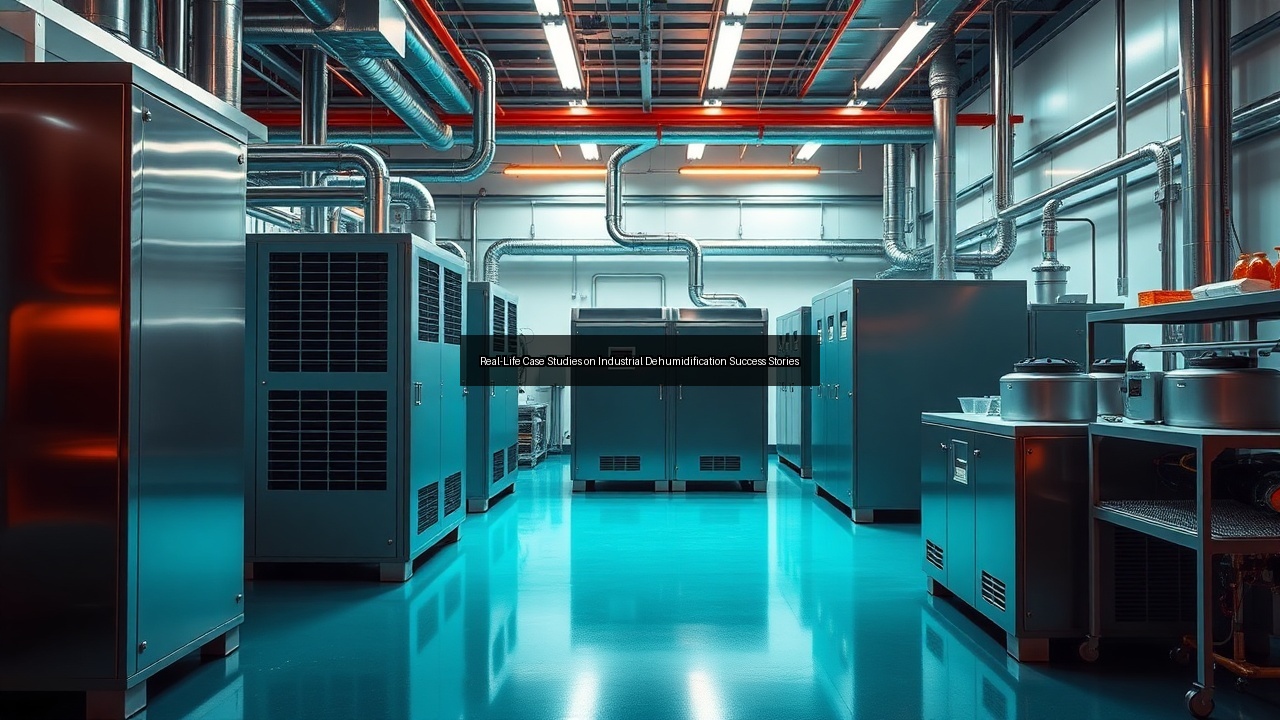
Success Stories in Industrial Dehumidification
Overview of Industrial Dehumidifiers
Industrial dehumidifiers play a crucial role in maintaining optimal humidity levels across various sectors. These specialized devices are designed to remove excess moisture from the air, ensuring that products and processes remain unaffected by humidity fluctuations. Industries like pharmaceuticals, food packaging, and electronics manufacturing rely heavily on industrial-grade dehumidifiers to create controlled environments that enhance product quality and extend shelf life. The technology behind these machines varies, with some utilizing refrigerant systems while others employ desiccant materials for moisture absorption. The choice of dehumidifier often depends on the specific needs of the industry, including the required dew points and the volume of air that needs to be processed. By effectively reducing air moisture, industrial dehumidifiers not only protect products but also contribute to improved air quality and overall climate control within facilities.
Impact on Air Quality and Moisture Control
Effective moisture control is vital for numerous industrial applications. High humidity levels can lead to mold growth, corrosion, and the degradation of sensitive materials. In industries like pharmaceuticals, maintaining air quality directly impacts product efficacy and safety. Dehumidification systems ensure that air moisture stays within acceptable limits, significantly reducing the risk of contamination. Furthermore, these systems work seamlessly with HVAC setups to regulate temperature and humidity simultaneously, creating a balanced environment. The integration of industrial dehumidifiers with HVAC systems enhances energy efficiency and comfort, making it a smart investment for organizations looking to improve operational efficiency. A consistent moisture level fosters a cleaner, healthier workspace, benefiting both employees and the products being manufactured.
Case Study: Pharmaceutical Industry
Maintaining Optimal Dew Points
The pharmaceutical industry demands stringent control over environmental conditions. A leading pharmaceutical manufacturer faced challenges in maintaining the required dew points in their production area. Fluctuating humidity levels affected product quality and compliance with regulatory standards. To address this, the company invested in high-capacity industrial dehumidifiers that could handle the specific demands of their facility. These dehumidifiers were capable of maintaining consistent dew points below critical thresholds, ensuring that the production process remained uninterrupted. The results were significant: not only did the product yield improve, but the company also noted a reduction in equipment maintenance costs due to decreased corrosion and moisture-related issues. This case exemplifies how strategic investments in industrial dehumidifiers can lead to enhanced operational efficiency and product integrity in the pharmaceutical sector.
Troubleshooting Common Issues
Even with the best systems in place, troubleshooting common issues associated with dehumidification remains essential. The pharmaceutical manufacturer initially encountered problems with their humidity control system due to improper sizing of the dehumidifiers. They quickly learned that insufficient capacity could lead to inadequate moisture removal, resulting in elevated humidity levels. By conducting a thorough assessment of their air moisture levels and airflow requirements, they adjusted their approach. The team recalibrated the system and selected dehumidifiers with appropriate blower and CFM (cubic feet per minute) ratings to match the facility's volume. This proactive troubleshooting not only resolved the humidity issues but also enhanced the overall efficiency of the HVAC integration. Ongoing monitoring and maintenance protocols were established to ensure that these systems continued to perform optimally, demonstrating the importance of regular assessments in industrial dehumidification.
Case Study: Food Packaging Sector
Enhancing Shelf Life Through Dehumidification
In the food packaging sector, preventing spoilage is paramount. A notable company faced challenges in maintaining the ideal moisture levels for their packaged goods, leading to customer complaints about product quality. They decided to implement an industrial dehumidifier system to combat this issue. By strategically placing dehumidifiers in their packaging areas, the company successfully reduced air moisture levels, significantly extending the shelf life of their products. Research indicated that a decrease in relative humidity directly correlates with slower microbial growth and reduced chemical reactions that cause spoilage. The results were impressive: customer satisfaction increased, and the company reported a noticeable decrease in product returns. This case highlights the direct benefits of industrial dehumidification in enhancing product longevity and maintaining brand reputation in the food packaging industry.
Integration with HVAC Systems
Integrating industrial dehumidifiers with existing HVAC systems proved to be a game-changer for the food packaging company. The dual system allowed for comprehensive climate control, maintaining not only the desired humidity levels but also optimal temperatures throughout the production and packaging areas. This synergy improved energy efficiency, as the HVAC system could operate more effectively with lower moisture levels. In addition, industrial-grade dehumidifers the combination of dehumidification and HVAC enhanced air circulation, further improving air quality. Regular maintenance of both systems ensured consistent performance, reducing the risk of equipment failures and operational downtime. Ultimately, this integration provided a sustainable solution for moisture control, demonstrating the importance of a holistic approach to climate management in the food packaging industry.
Case Study: Electronics Manufacturing
Role of Desiccant Dehumidifiers
Electronics manufacturing presents unique challenges related to humidity control. A prominent electronics manufacturer faced issues with moisture affecting sensitive components during assembly. To combat this, they opted for desiccant dehumidifiers, which excel in low-temperature environments where traditional refrigerant dehumidifiers might struggle. These desiccant systems absorbed moisture from the air efficiently, maintaining humidity levels below critical thresholds. The implementation of these dehumidifiers not only protected the delicate electronic components from corrosion and damage but also improved overall product reliability. By choosing desiccant technology, the manufacturer ensured that their production environment remained optimal for high-quality output, showcasing the effectiveness of tailored dehumidification solutions in the electronics sector.
Blower and CFM Considerations
Choosing the right blower and understanding CFM considerations proved vital for the electronics manufacturer. Proper airflow is essential for effective dehumidification. The company conducted an analysis of their workspace to determine the necessary CFM to maintain optimal conditions. By selecting dehumidifiers with appropriate blower capacities, they ensured sufficient air circulation throughout the facility, enhancing moisture removal efficiency. This strategic selection minimized dead zones where humidity could accumulate, further dehumidifying improving overall air quality. Over time, the manufacturer noticed a significant reduction in product defects attributed to moisture, validating their investment in specialized dehumidification solutions. This case underscores the importance of precise calculations and equipment selection in achieving successful outcomes in industrial dehumidification.