Where to Find Quality Recycled Plastics Near You
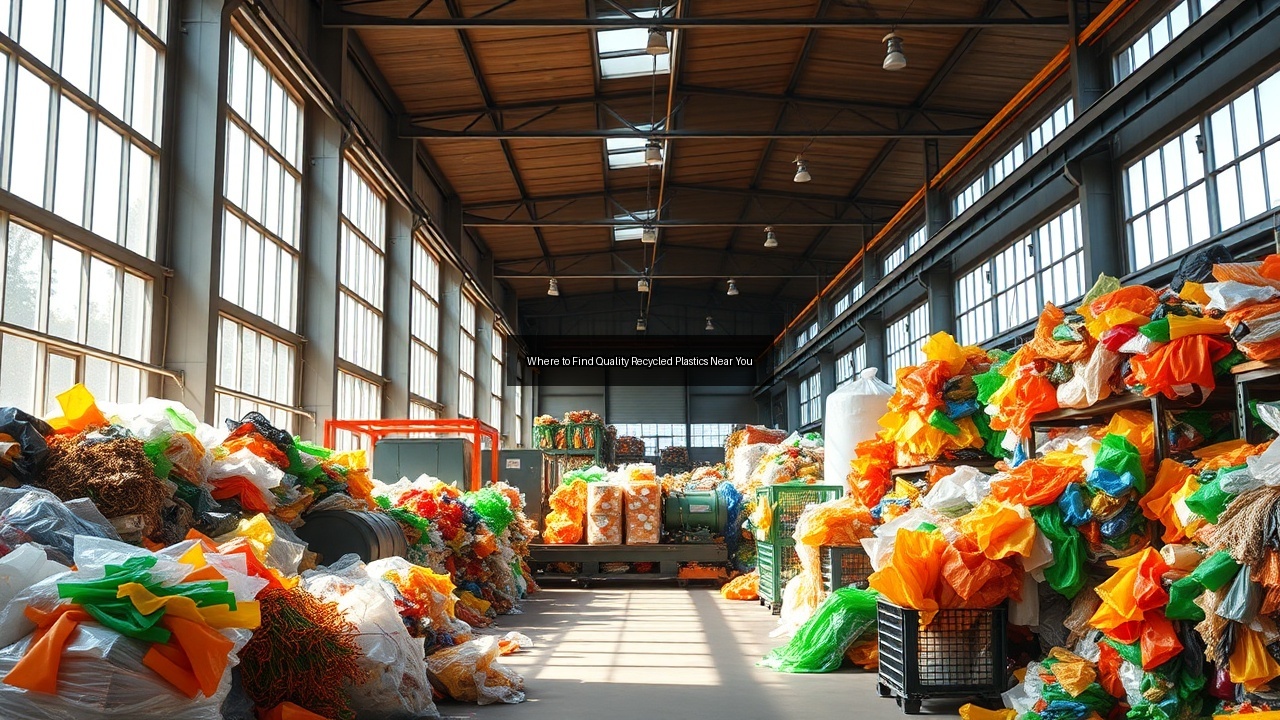
Understanding Recycled Plastics
What are Recycled Plastics?
Recycled plastics are materials that have been reclaimed from waste and reprocessed into usable forms. The recycling process typically involves collecting plastic waste, cleaning it, and then breaking it down into smaller pieces. These pieces are then melted down and extruded into new products, potentially saving energy and resources compared to manufacturing new plastic from raw materials. Common types of recycled plastics include PET (polyethylene terephthalate), HDPE (high-density polyethylene), and LDPE (low-density polyethylene). By transforming discarded plastics into new products, recycled plastics contribute significantly to waste reduction and environmental sustainability.
The Importance of Recycling Plastics
Recycling plastics plays a crucial role in combating plastic pollution, a pressing issue affecting oceans, wildlife, and human health. Every year, millions of tons of plastic waste end up in landfills and oceans, harming ecosystems and contributing to climate change. Recycling initiatives help divert plastic waste from landfills, reduce energy consumption, and lower greenhouse gas emissions associated with new plastic production. Furthermore, engaging in recycling supports a circular economy where materials are reused rather than discarded. This approach not only minimizes environmental impact but also fosters local economies by creating jobs in the recycling and manufacturing sectors.
Types of Plastics Commonly Recycled
Different types of plastics undergo recycling, with each type having its specific properties and applications. PET, commonly used in beverage bottles and food containers, is highly recyclable and can be transformed into new bottles, textiles, and packaging materials. HDPE, found in milk jugs and detergent bottles, is also widely recycled and can be repurposed into piping, plastic lumber, and recycling bins. LDPE, often used in plastic bags and wraps, is less commonly recycled but is increasingly accepted in curbside programs. Other types like polystyrene and polycarbonate, including Lexan polycarbonate, face more challenges in recycling due to their chemical structures. Understanding these types helps consumers and businesses make informed choices about recycling and reusing plastics.
Finding Quality Recycled Plastics
Local Recycling Centers and Their Offerings
Local recycling centers serve as vital hubs for collecting and processing recycled plastics. To find quality recycled plastics near you, start by identifying your nearest recycling center. Many centers provide a range of recycled materials, including PET, HDPE, and LDPE. Some centers may even offer processed plastic pellets suitable for various applications, from plastic fabrication to manufacturing. Visiting these centers allows you to explore what materials are available and how they can be used in your projects. Additionally, some centers collaborate with local businesses and organizations to promote community recycling initiatives, further enhancing resource recovery efforts and reducing plastic waste.
Online Marketplaces for Recycled Plastics
Online marketplaces have revolutionized the way individuals and businesses source recycled plastics. Platforms such as eBay, Craigslist, and specialized recycling websites connect buyers with sellers of recycled materials. Searching for “plastics near me” or “engineered plastics near me” often yields local sellers who offer various types of recycled plastics. Many companies feature sections dedicated to recycled materials, showcasing products like sheets, pellets, and custom fabrication options. When purchasing online, verify the supplier’s credentials and product quality. Reading reviews and asking for samples can help ensure that you receive high-quality recycled plastics suitable for your needs.
Networking with Plastic Fabrication Businesses
Networking with local plastic fabrication businesses can uncover valuable resources for sourcing quality recycled plastics. Many fabricators actively seek sustainable materials to incorporate into their processes. Establishing connections with these businesses may lead to discovering available recycled plastics or even collaborations on projects that focus on sustainability. Attend local trade shows, workshops, or industry events to meet professionals in the plastics industry. Engaging in discussions about recycling and sustainable practices can provide insights into sourcing recycled materials and may even lead to partnerships that advance resource recovery and reduce plastic waste.
Innovative Uses of Recycled Plastics
Engineered Plastics and Their Applications
Engineered plastics made from recycled materials offer innovative solutions across various industries. These materials possess enhanced mechanical and thermal properties, making them plastic fabrication nearby suitable for demanding applications. Industries such as automotive, aerospace, and consumer goods increasingly utilize engineered plastics due to their lightweight nature and durability. For instance, recycled PET can be processed into high-performance components for vehicles, contributing to energy efficiency and reduced emissions. In addition, recycled polycarbonate, such as Lexan polycarbonate, finds applications in safety glasses, lenses, and electronic housings. The versatility of these materials highlights the importance of recycling initiatives in driving technological advancements and promoting sustainability.
Plastic Fabrication Techniques Utilizing Recycled Materials
Innovative plastic fabrication techniques enable the effective use of recycled plastics in manufacturing processes. Techniques like injection molding, extrusion, and 3D printing can incorporate recycled materials, allowing for the creation of new products from waste. In injection molding, recycled plastic pellets are heated and injected into molds to produce items ranging from household goods to industrial components. Extrusion processes shape recycled plastics into sheets or profiles used in construction and packaging. Moreover, 3D printing technology increasingly employs recycled materials, facilitating creative designs and reducing waste. By embracing these fabrication methods, businesses can contribute to a more sustainable future while tapping into the benefits of recycled plastics.
Case Studies of Successful Reuse in Santa Barbara
Santa Barbara County exemplifies successful initiatives in reusing recycled plastics. Local organizations and businesses have implemented programs focusing on sustainability and resource recovery. For example, some companies in the area have developed products from recycled plastics, such as outdoor furniture and construction materials. Community events promoting recycling and educational workshops have raised awareness about plastic pollution and the benefits of using recycled materials. These initiatives not only reduce plastic waste but also inspire other communities to adopt similar practices and aim for a more sustainable future. By highlighting local successes, Santa Barbara sets a precedent for effective reuse of recycled plastics, showcasing the potential of communal efforts in addressing plastic-related challenges.
The Future of Plastic Recycling
Emerging Technologies in Plastic Recycling
The future of plastic recycling looks promising, driven by emerging technologies that enhance recycling efficiency and effectiveness. Advanced sorting technologies using AI and machine learning enable more precise identification of different types of plastics, helping to streamline the recycling process. Additionally, chemical recycling methods break down plastics to their molecular level, allowing for greater versatility and potential for reuse. These innovations can significantly increase the volume of plastics that are effectively recycled, reducing the reliance on virgin materials and lowering environmental impact. As these technologies develop, they will play a crucial role in shaping the plastics industry's approach to sustainability.
The Role of Waste Management in Resource Recovery
Effective waste management systems are essential for successful plastic recycling and resource recovery. Municipalities across America are increasingly investing in waste management infrastructure that focuses on recycling and reducing plastic waste. Comprehensive recycling programs and public education campaigns encourage residents to participate in recycling initiatives. Additionally, partnerships between waste management companies and local businesses create opportunities for recycling and reuse of materials. By developing efficient systems for waste collection, sorting, and processing, communities can enhance their recycling rates and promote sustainable practices that minimize plastic pollution.
Community Initiatives for Reducing Plastic Waste
Community initiatives play a vital role in reducing plastic waste and promoting recycling efforts. Local organizations often spearhead campaigns to educate residents about the importance of recycling and the benefits of using recycled materials. Implementing programs like plastic bag bans or community clean-up events fosters a culture of sustainability. Collaborations with schools and businesses plastic machining near me can enhance awareness and encourage action toward reducing plastic consumption. By engaging the community in these initiatives, individuals become more informed about plastic pollution and the importance of resource recovery, ultimately leading to more significant changes in habits and attitudes toward plastic waste.
See Also
- The Benefits of Choosing Engineered Plastics for Your Business
- Why Reusing Plastics Matters in the Fight Against Pollution
- A Guide to Sustainable Plastic Waste Management in Your Area
- Discovering Eco-Friendly Alternatives to Plastic Bags Near Me
- Finding the Best Plastic Products for Your Home and Business