Exploring the Role of Functional Testing in Hydraulic Valve Machining Quality Assurance
Understanding Hydraulic Valve Machining
The Importance of Precision in Valve Manufacturing
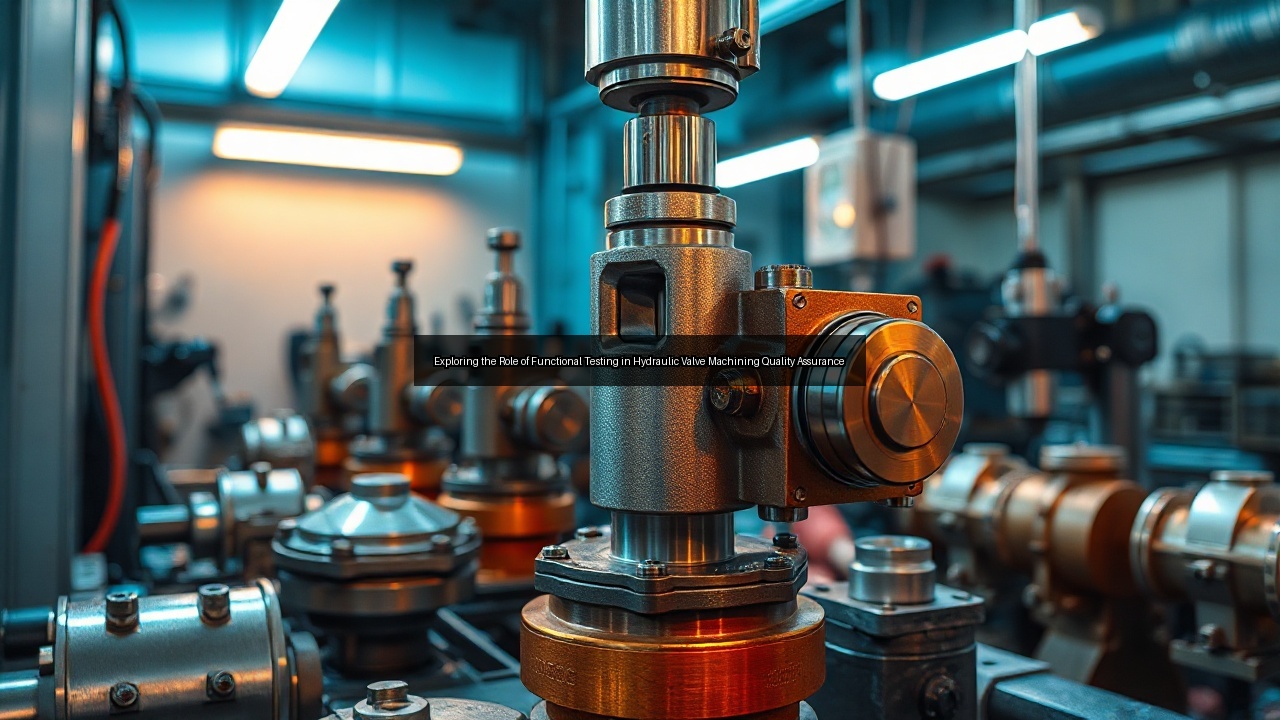
Precision drives every step in hydraulic valve machining because valves control fluid flow under high pressure. Manufacturers demand tight tolerances to prevent leaks and ensure consistent performance across hydraulic systems. Even minor deviations in spool alignment or port geometry can cause failures in demanding applications like construction equipment. Hydraulic valve machining therefore emphasizes accuracy from the initial setup through final assembly. Operators monitor every cut to maintain structural integrity while meeting strict industry standards. This focus on precision reduces waste and extends service life for valves installed in manifolds or standalone units.
Key Materials Used in Hydraulic Valve Machining
Material selection shapes the outcome of hydraulic valve machining because different metals respond uniquely to cutting forces. Steel alloys dominate production for their strength and resistance to wear in pressurized environments. Aluminum offers lighter options when weight matters in mobile hydraulics. Cast iron provides excellent damping for vibration-heavy applications. Manufacturers evaluate hardness, machinability, and corrosion resistance before choosing stock. Proper material selection also influences drilling and milling parameters to avoid tool breakage or surface defects during the process.
Overview of Machining Processes: Drilling and Milling
Drilling and milling form the core of hydraulic valve machining operations. Drilling creates precise passages for fluid channels inside the valve body, while milling shapes external surfaces and mounting faces. Modern machines combine both processes in single setups to improve efficiency and maintain alignment. Operators program tool paths to achieve required tolerances on spool bores and port threads. Effective chip removal during drilling prevents burrs from forming along hole edges. Milling follows to finish critical sealing surfaces that must remain flat and smooth for reliable hydraulic performance.
Quality Assurance in Hydraulic Valve Production
Defining Quality Assurance in Manufacturing
Quality assurance in hydraulic valve manufacturing encompasses systematic checks that verify every component meets design specifications before shipment. Teams document procedures for material verification, process control, and final acceptance. This structured approach catches issues early rather than after assembly. Manufacturers integrate quality steps directly into the machining workflow to maintain consistency across production runs. The result is fewer returns and stronger customer confidence in valves used within complex hydraulic circuits.
The Role of Inspection Techniques in Quality Control
Inspection techniques provide the backbone of quality control during hydraulic valve machining. Coordinate measuring machines verify dimensional accuracy on critical features such as spool diameters and port locations. Surface profilometers detect roughness that could affect sealing. Visual and tactile checks identify visible flaws before functional testing begins. Regular calibration of inspection equipment ensures reliable data. Manufacturers combine automated scanning with manual review to cover both high-volume and complex custom valves effectively.
Identifying Common Defects: Burrs and Surface Imperfections
Burrs and surface imperfections frequently appear after drilling or milling operations in hydraulic valve machining. Burrs form at hole exits and can interfere with spool movement inside the valve body. Surface imperfections such as chatter marks or tool marks create leak paths under pressure. Skilled operators adjust feed rates and tool geometry to minimize these issues at the source. Post-machining deburring processes remove remaining material without altering tolerances. Thorough inspection catches defects early so adjustments occur before valves reach functional testing stages.
Functional Testing: Ensuring Performance and Reliability
What is Functional Testing?
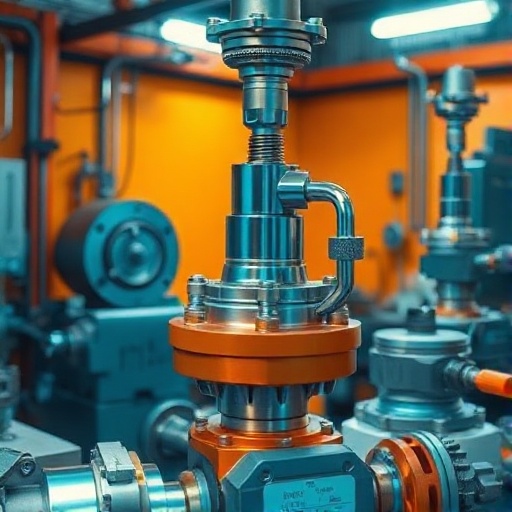
Functional testing evaluates how a completed valve performs under simulated operating conditions. This step confirms that hydraulic valve machining has produced components capable of directing flow, maintaining pressure, and responding accurately to control signals. Technicians mount the valve on test stands that replicate real-world pressures and flow rates. The process validates internal features such as spool travel and port sealing. Functional testing distinguishes finished products that meet performance targets from those requiring rework.
Testing Procedures for Hydraulic Valves
Testing procedures for hydraulic valves begin with pressure hold tests that check for external leaks around machined surfaces. Flow testing follows to measure actual versus specified rates through each port configuration. Spool response time and shift forces receive evaluation under varying loads. Manufacturers cycle valves through thousands of operations to detect wear patterns linked to machining variations. Data logging during these procedures creates records that support traceability and continuous improvement in the machining process.
Interpreting Test Results and Making Adjustments
Interpreting test results allows manufacturers to pinpoint where hydraulic valve machining needs refinement. Excessive leakage often traces back to surface finish issues on sealing lands. Slow spool movement may indicate bore tolerances that are too tight or misaligned. Technicians compare results against design parameters and adjust machining programs accordingly. Feedback loops between testing and production reduce repeat defects and improve overall yield. Consistent interpretation of data drives targeted improvements in drilling, milling, and finishing operations.
Innovations in Hydraulic Valve Machining
The Impact of CAD on Valve Design and Prototyping
CAD software accelerates valve design by allowing engineers to model complex internal passages before any metal is cut. Hydraulic valve machining benefits because prototypes can be generated directly from digital files with minimal manual intervention. Designers simulate fluid dynamics inside the valve to optimize port placement and reduce pressure drop. Rapid iteration through CAD shortens development cycles while maintaining accuracy. Manufacturers import these models into CAM systems that generate precise tool paths for drilling and milling the first physical samples.
Advances in Machinery and Technology
Advances in machinery have transformed hydraulic valve machining through multi-axis centers that complete parts in fewer setups. These machines maintain tighter tolerances across long production runs while handling difficult materials. Integrated probing systems measure features in-process and automatically correct offsets. High-pressure coolant delivery improves chip evacuation during deep drilling operations. Such technology increases throughput without sacrificing the accuracy required for reliable hydraulic valves and manifolds.
Future Trends in Hydraulic Valve Manufacturing
Future trends point toward greater automation and data integration in hydraulic valve manufacturing. Adaptive machining systems will adjust parameters in real time based on sensor feedback from the cutting zone. Additive manufacturing may produce near-net-shape castings that require less subsequent milling. Digital twins of valve designs will allow virtual functional testing before physical parts exist. These developments promise higher efficiency while preserving the precision essential to hydraulic performance across automotive and industrial sectors.
Case Studies and Applications
Functional Testing in Automotive Valve Systems
Automotive applications demand rigorous functional testing because hydraulic valves manage critical systems such as power steering and transmission control. Manufacturers subject each valve to pressure cycling that mimics engine compartment conditions. Hydraulic valve machining must deliver spool bores with exceptional roundness to ensure smooth shifting. Test results guide refinements in milling strategies that improve surface finish on sealing areas. Successful testing programs have reduced warranty claims by confirming valve reliability before vehicles leave the assembly line.
Real-World Challenges in Valve Machining
Real-world challenges in valve machining often stem from variations in casting quality or material hardness. Inconsistent stock can cause tool deflection during drilling, leading to out-of-tolerance ports. Manufacturers address these issues with robust fixturing and in-process inspection. Complex manifold designs require careful sequencing of milling operations to avoid distorting thin walls. Functional testing reveals whether adjustments have restored the required performance, closing the loop between shop floor and quality targets.
Evaluating Manufacturer Success Stories
Evaluating manufacturer success stories shows how integrated functional testing elevates hydraulic valve machining outcomes. One producer reduced scrap rates by linking test data directly to machining offsets. Another achieved faster prototype turnaround by combining CAD models with automated milling cells. These examples demonstrate that attention to every stage—from material selection through final inspection—delivers valves that perform reliably in demanding hydraulic environments. Continuous improvement based on test feedback sustains competitive advantage in the valve market.
See Also
- Innovative CAD Solutions Transforming Hydraulic Valve Design and Machining
- Mastering Hydraulic Valve Machining Techniques for Precision Manufacturing
- The Art of Material Selection in High-Performance Hydraulic Valve Machining
- Achieving Flawless Accuracy in Hydraulic Valve Machining Through Advanced Inspection