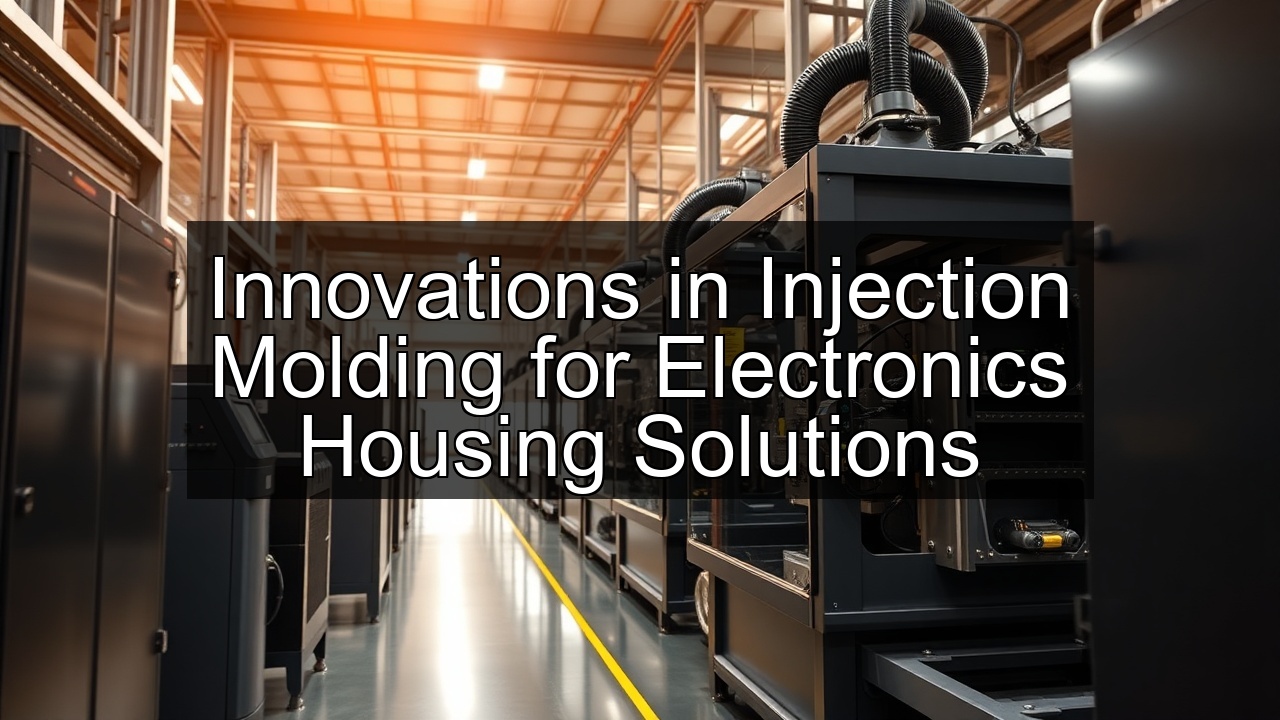
Innovations in Injection Molding for Electronics Housing Solutions
The Evolution of Injection Molding in Electronics Housing
Historical Overview of Injection Molding Techniques
Injection molding has transformed dramatically since its inception in the mid-20th century. Initially, manufacturers relied on simple molds and basic thermoplastics. The process involved injecting molten plastic into a mold electronic housing molding cavity, allowing it to cool and solidify into a predetermined shape. Early techniques produced bulky and heavy electronics housing, limiting design possibilities. As technology progressed, engineers began developing more sophisticated injection molding techniques that allowed for intricate designs, improved tolerances, and faster production times. This evolution set the stage for the electronic housing molding high-performance electronics housing solutions we see today, catering to the growing demand for compact, lightweight, and durable electronic devices.
Advancements in Materials: From Standard Plastics to High-Density Polyethylene (HDPE)
The transition from standard plastics to advanced materials like high-density polyethylene (HDPE) marks a significant milestone in the injection molding industry. HDPE offers enhanced durability, resistance to impact, and superior weatherability, making it an ideal choice for electronics housing. Engineers have embraced HDPE for its ability to withstand the rigors of everyday use while maintaining a lightweight profile. This evolution in materials has allowed manufacturers to create electronic products that not only perform better but also appeal to consumers looking for reliability and longevity in their devices. The move toward HDPE illustrates the industry's commitment to innovation and quality in electronics housing.
The Role of Engineering in Modern Injection Molding
Engineering plays a crucial role in modern injection molding processes, particularly in the design and production of electronics housing. Engineers use advanced software and simulation tools to optimize mold designs, ensuring precision and efficiency during production. They analyze factors such as flow rates, temperature control, and cooling cycles to enhance the quality of injection-molded parts. Furthermore, the collaboration between materials scientists and engineers has led to the development of specialized composites and alloys that meet the unique demands of electronics housing. This synergy between engineering and material science drives the innovation needed to keep pace with the rapid evolution of electronic devices.
Innovative Materials and Technologies Shaping Electronics Housing
The Benefits of Using Nylon in Electronics Housing
Nylon has emerged as a popular material in the electronics housing injection molding sector due to its outstanding mechanical properties. Known for its strength, flexibility, and resistance to wear, nylon provides an excellent solution for housing electronic devices that require protection against shocks and environmental stressors. Its lightweight nature contributes to the overall efficiency of electronic products, making them easier to handle and transport. Additionally, nylon can be easily molded into complex shapes, allowing for design versatility that meets the aesthetic and functional requirements of modern electronics. Manufacturers leveraging nylon in injection molding can produce robust and visually appealing electronics housing that stands the test of time.
High-Density Polyethylene: A Game Changer for Durability
High-density polyethylene (HDPE) has become a game changer in the field of electronics housing injection molding. Its high strength-to-density ratio provides exceptional durability, making it resistant to impacts and environmental conditions. HDPE is not only lightweight but also resistant to chemicals and moisture, which is crucial for protecting sensitive electronic components. As electronic devices become increasingly compact and powerful, the demand for materials like HDPE that can withstand rigorous usage has risen. The ability to create strong, corrosion-resistant casings through injection molding with HDPE enhances the longevity of electronic products, thus offering consumers a reliable solution for their technological needs.
Smart Manufacturing Techniques in Injection Molding
Smart manufacturing techniques are revolutionizing the injection molding process for electronics housing. Technologies such as automation, artificial intelligence, and IoT integration streamline production, electronics casing injection molding reducing lead times and increasing efficiency. Automated systems can monitor and adjust variables during the injection molding process, ensuring consistency and quality in the final product. Moreover, data analytics allows manufacturers to predict maintenance needs and optimize production schedules. This shift toward smart manufacturing not only enhances the operational capabilities of injection molding but also enables companies to respond more effectively to market demands. By leveraging these innovations, manufacturers can produce electronics housing that meets evolving consumer expectations.
Sustainable Practices in Electronics Housing Injection Molding
Recyclability of Injection Molded Electronics Housing
Recyclability stands at the forefront of sustainable practices in electronics housing injection molding. Manufacturers increasingly focus on creating products that can be easily recycled at the end of their life cycle. The use of recyclable materials, such as certain types of plastics, allows for the recovery of valuable resources and reduces the overall environmental impact. By designing electronics housings that facilitate disassembly and recycling, companies can contribute to a circular economy. This practice not only aligns with consumer preferences for environmentally friendly products but also helps manufacturers meet regulatory requirements aimed at reducing electronic waste.
Biodegradable Alternatives in Electronics Casings
The push for sustainability has led to the exploration of biodegradable alternatives in electronics casings. Innovations in materials science have resulted in the development of bioplastics that can decompose naturally without harming the environment. These biodegradable options provide an eco-friendly solution for electronics housing, allowing manufacturers to reduce their reliance on traditional petroleum-based plastics. As consumers become more environmentally conscious, the demand for biodegradable electronics housing is likely to increase. Implementing these materials in injection molding processes not only addresses environmental concerns but also enhances a brand's sustainability credentials in a competitive marketplace.
Energy-Efficient Manufacturing Processes
Energy-efficient manufacturing processes play a vital role in the sustainability of electronics housing injection molding. By optimizing production techniques and utilizing energy-efficient machinery, manufacturers can significantly reduce their carbon footprint. Implementing practices such as heat recovery and using renewable energy sources can lower energy consumption throughout the injection molding process. Additionally, advancements in technology allow for better energy management during production cycles. This commitment to energy efficiency not only contributes to environmental sustainability but also results in cost savings for manufacturers, making it a win-win scenario for businesses and the planet.
Future Trends in Electronics Housing Injection Molding
Integration of IoT in Manufacturing Processes
The integration of the Internet of Things (IoT) into manufacturing processes is shaping the future of electronics housing injection molding. IoT-enabled devices can provide real-time data on manufacturing operations, allowing for proactive adjustments that enhance efficiency and reduce waste. By connecting machinery and tools to the internet, manufacturers can monitor performance, track inventory, and streamline logistics. This level of connectivity fosters smarter decision-making and enables predictive maintenance, minimizing downtime and ensuring smoother production flows. The adoption of IoT in injection molding processes signifies a shift toward more responsive and adaptive manufacturing environments.
Customizable Injection Molding Solutions for Unique Electronic Devices
Customization is increasingly becoming essential in the electronics housing sector. Manufacturers recognize the need to provide tailored solutions that cater to the specific requirements of unique electronic devices. Advances in injection molding technology enable the production of bespoke housings with intricate designs and functionalities. This capacity for customization allows brands to differentiate their products in a crowded marketplace. By offering unique electronics housing solutions, manufacturers can meet diverse consumer needs while maintaining high standards of quality and performance. The ability to adapt injection molding processes to specific design challenges sets the stage for a more innovative future in electronics manufacturing.
The Impact of Industry 4.0 on Electronics Housing Production
Industry 4.0 is revolutionizing the landscape of electronics housing production by introducing advanced technologies such as automation, data analytics, and artificial intelligence. This new industrial paradigm emphasizes connectivity and smart manufacturing, allowing companies to optimize their processes and improve product quality. In the context of injection molding, Industry 4.0 facilitates better collaboration across teams and enhances supply chain management. The integration of smart sensors and analytics enables manufacturers to collect data that can inform design decisions and production strategies. As the industry embraces this transformative wave, the future of electronics housing injection molding looks promising, with greater efficiency and innovation on the horizon.